
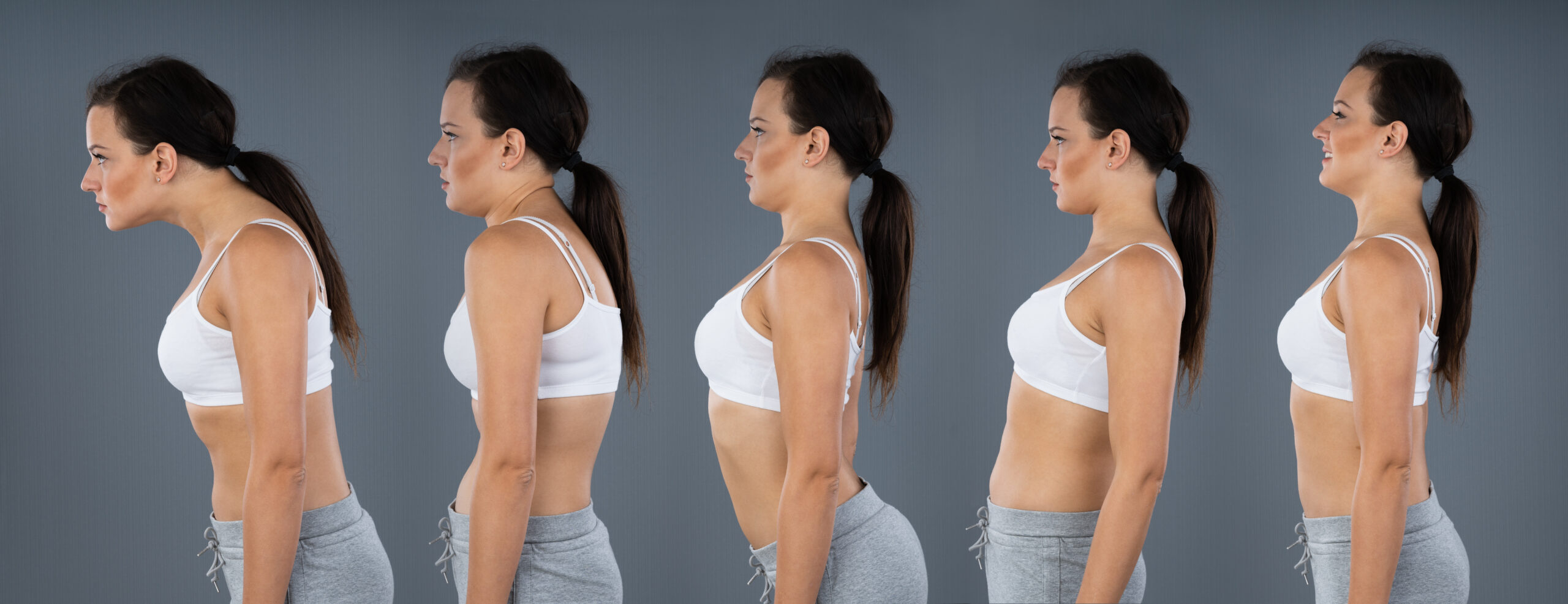
As an actor, your body is the instrument through which all of your actions, emotions and intentions are channeled. Long before stepping into a rehearsal hall, it’s crucial to condition and prepare your physical self to deliver your best performance. Here are a few foundational practices that can ensure your body is ready to serve the character, the script, and ultimately, the performance.
- Releasing Muscle Tension. The first step to preparing your body is to identify and release any unnecessary muscle tension. Tension restricts the natural flow of energy, restricts your ability to produce strong vocals, limits freedom of movement, and can even inhibit your emotional life on stage. Begin by checking in with your body, from the neck to the shoulders, jaw, knees, and other areas where you typically hold stress. Do your shoulders rise up around your ears when you’re nervous? Do your knees locked? Learning how your body responds to stress lets you know what areas to work on. Once you’ve identified them, practice breathing into those areas and letting all the tension go with your breath as you exhale. You can get really good at this; good enough that you can do it on stage without anyone noticing. Stretching before rehearsal and performance will help, too. You can also find relief with daily or weekly practices such as yoga or tai chi. Whatever you choose, your main goal is to find ways to release the tension in your body as much as you can before you walk onto the stage.
- Neutral Position. This is a theatrical standard, and with good reason. The neutral position refers to a balanced, aligned stance that allows your body to feel grounded, open, and energized—ready for anything. While it may feel uncomfortable and stiff at first, with practice, you’ll find yourself standing with natural ease, allowing for full freedom of movement and expression. I’ll do a full post on the neutral position for those who aren’t familiar with it, but for now, the more you can practice holding this stance naturally, the better off you will physically be to take on a role. It will also help to get rid of any head tilts or sloppy stances you may have in your real life (most of us do), and let you adopt the physicality of your character more easily. Simply put: you’ll be more composed, confident, and ready to take on whatever (and whomever) comes along in each moment.
- Posture. Your posture speaks volumes about you, both personally and professionally. It sets the tone for your character and their energy, focus, and emotional state. Good posture isn’t just about standing tall; it’s about being aware of how you inhabit your body in space. And it’s not just you, because when there are other actors in the scene, you’ll be visually compared to them, as well. I can’t count the number of times I’ve corrected actors who leaned or slouched because they stuck out like a sore thumb next to their cast members. Even if your character is a slouch, there are ways to balance this onstage. Whether you’re standing, sitting, or moving, try to keep your chest open, your shoulders squared, your spine long, and your energy directed outward, so you can engage with others. Just those few tips will go a long way towards your visual impact on stage.
- Being Open and Available. When most people start acting, they feel self-conscious in front of an audience. They don’t know what to do with their hands, for instance, so they’ll clasp them in front, shove them in pockets or reach out to anchor themselves on set pieces. It’s entirely natural, but completely awkward to watch. When actors cross their arms over their chests to protect themselves, they cut themselves off from their scene partners and the audience. It’s usually a subtle but clear form of hiding. It’s not just physical, either; it’s emotional and energetic, too. Actors who hide are simply not open to the people on the stage or in the house. Being physically and emotionally open is one of the most important things an actor can do when it comes to preparing their bodies. You can start by practicing being physically open. Keep arms by your side and hands loose and comfortable, head high but parallel with the floor, chest open, and ground yourself without putting all of your weight back onto your heels. In other words, be open and available. Once you’ve got the physicality down, the energy and emotion will be able to flow freely, too, and you won’t be hiding anymore. Note: learning the neutral position is the best place to begin.
- Fit and Flexible to Your Potential. Finally, to ensure your body is truly prepared for the demands of acting, it’s a good idea to get in as good a shape as possible. You don’t have to look like a bodybuilder or a professional dancer, but you do need to be as fit as you can be. For an actor in their 20s or 30s, you really should be very active and engage in some kind of exercise or physically demanding hobby, regularly. Those who are much older can take regular walks and do some stretching. Strength training is fantastic for any age (get a trainer to help you at first, especially if you’re older or have a long way to go), but honestly, just do what you love to do. Go dancing, ride a bike, take a yoga class…whatever you can do to stay flexible, fit and strong. Acting is a high-energy job, and you need to be in decent shape to do it well. It will improve your mental clarity and memory, breath work and vocal production, and give you the stamina to play a lead role from the first scene to the last.
Your body is part of your instrument, and with a little patience, care and practice, it will serve you very well on stage. By focusing on relaxing, finding good posture, staying open and keeping fit and flexible, you’ll set yourself up to perform at your fullest potential. And that is what truly makes an actor stand out.


0 Comments